Guides
Transporting ashes: how to fly, mail, and travel with cremated remains
With cremation such a popular choice, moving ashes from one place to another has become a routine task for many families. You might be sending cremains to a relative, returning them to the person's birthplace for interment, carrying them on a flight, mailing them in the post, or driving them across state lines. This guide walks through each method of transporting ashes, the right way to package them, and the rules set by the Transportation Security Administration (TSA) and the U.S. Postal Service so you can travel without delays.
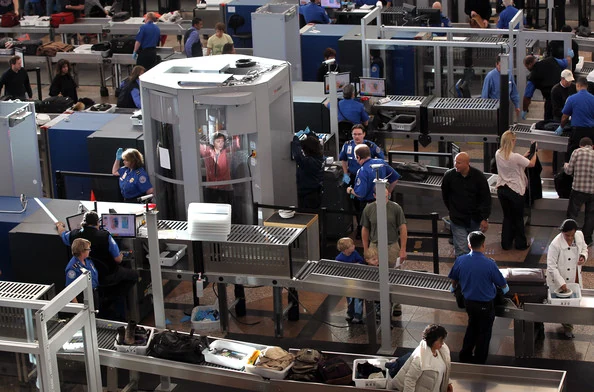
Taking cremated remains on a plane
After 9/11, airlines understandably became exceedingly strict on air security, and that includes how cremated remains move through checkpoints. Understanding the specifics ahead of time is the best way to avoid postponements at the gate.
When in doubt, ask the funeral director or crematory staff who handled the cremation. They deal with these requirements regularly and can usually point you to an airline-friendly container.
Ashes on domestic flights
Most airlines allow you to transport ashes as carry-on or checked baggage. Because the proper guidelines and preparations matter, it pays to know how to contain the ashes and confirm the details before you arrive at the airport.
Carrying an urn on a plane
Urns tend to be the most commonly used vessel for ashes, but not all of them meet airline standards. Many are difficult to x-ray because they generate an opaque image, which means screeners cannot determine what is inside. A container that cannot be cleared on the x-ray will not be allowed through.
TSA policy on opening containers
It is against TSA policy, and illegal, for airport employees to open an ash container to determine the contents. So if the container cannot be x-rayed, it will not be permitted on the plane. This can usually be avoided by putting the remains into a box or other airline-friendly container, at least until it reaches its destination.
Ashes on international flights
Shipping cremated remains overseas requires more planning and research, because each country has its own set of rules you must follow. Give yourself extra time to plan. One of your first steps should be to contact the embassy of the destination country to ensure they accept cremated remains and to learn what paperwork must be completed.
Checking country regulations
Beyond the embassy, you can usually obtain these regulations by contacting the U.S. Embassy or the National Funeral Directors Association. If making these arrangements yourself is not something you want to attempt, a funeral home can do it for you in most cases, and many also supply airline-friendly containers.
TSA regulations for cremated remains
The TSA was prompted to enact specific guidelines for transporting ashes following 9/11, collaborating with funeral homes worldwide to safeguard the secure passage of cremated remains through airport security checkpoints.
In the past, the only rule was to obtain documentation from a funeral home stating that the container held cremated remains, but that is no longer sufficient. It is now mandated that every cremation container pass through an x-ray device.
Choosing a TSA-approved urn
If you want to use your own urn, the right material makes all the difference at the checkpoint. The TSA recommends that it is best to avoid granite, stone, or metal containers, since dense materials block the x-ray.
A lightweight structure is the better choice. Wood, cardboard, fiberboard, or plastic will normally avoid problems with x-raying.
Opening and sealing the container
Because it is illegal for airport staff to open a container of ashes, many funeral homes, crematories, and online vendors now offer urns with screw-on lids. The lid can be permanently sealed, but that could present a problem if you later decide to scatter the ashes.
The optimal solution is to use a temporary container for transport and then transfer the cremains to a permanent one later. If you would rather not handle the remains yourself, funeral homes partnered with the TSA usually offer a Remains Transfer Service; there may be a charge, but it is commonly complimentary.
Transporting a pet's ashes
If you have had a pet cremated, whether a dog or a cat, you are also able to transport their ashes. Be sure to plan ahead the same way you would for a person's remains and ask the airline in advance.
Cremation and death certificate paperwork
There is no blanket answer to what paperwork is required, especially on international flights, because airline rules can vary and different countries have their own regulations. The best option is to enlist a licensed funeral director at both ends of the journey, preferably one partnered with the TSA.
Documents for domestic flights
On a domestic flight you will likely need the Death Certificate and the Certificate of Cremation. It would not be a bad idea to attach a copy of those, along with any other essential documents, to the container itself.
Documents for international flights
For overseas travel, contact the embassy on both ends to double-check whether any additional documents are required. It is far better to make these inquiries in advance than to find yourself at the airport without everything completed and be unable to board with the ashes. You should also give the airline advance notice that you will be traveling with cremated remains.
Airline policies at a glance
Policies vary depending on international and domestic destinations, so always confirm directly with the carrier before you travel. As a general guide, here is how several major airlines handle cremated remains.
American Airlines
Requires that you travel with the ashes as carry-on luggage. No special documentation is required on domestic flights. For international travel, they suggest you check with an advisor such as a funeral director to determine what the destination country requires.
United Airlines
Accepts cremains as carry-on or checked baggage, provided they can pass x-ray scanners and clear explosive trace detection. You must also have a cremation certificate from a funeral home or crematorium.
Delta Airlines
Accepts ashes as carry-on, checked luggage, or unaccompanied as cargo. You must provide a death or cremation certificate, and the container must be able to pass the x-ray scanner like any other carrier's.
Southwest Airlines
Allows cremated remains as carry-on baggage only, and prefers a plastic or cardboard container. Advance arrangements of at least 24 hours are required.
British Airways
Accepts cremains as carry-on or checked baggage. You will need both the death certificate and the certificate of cremation, and the container must be suitable for x-ray.
Air Canada
Allows cremains as carry-on baggage, with the same x-ray and security-screening requirements as other carriers. Because policies vary by domestic and international destination, contact Air Canada in advance for your specific situation.
Sending ashes through the mail
When shipping ashes, the United States Postal Service (USPS) is the only legal delivery method. In other words, UPS, FedEx, and DHL will not knowingly transport cremains.
There are numerous reasons you may need to ship remains.
- ✓You need to ship ashes to someone in another location.
- ✓Someone died and was cremated while away in another city, state, or country, and the remains require shipment home.
- ✓You have decided to distribute the cremated remains among family members at different locations.
- ✓You are having the cremains incorporated into jewelry, artwork, or another keepsake and they must be sent to the manufacturer.
- ✓The deceased expressed a desire to have their ashes interred or scattered at a distant location.
How to package ashes for USPS
Preparing ashes for shipment involves a few more details than a typical package, and the Postal Service has guidelines you must follow. These steps will ensure the contents are packaged correctly.
- ✓Use both an inner box and an outer box.
- ✓Add padding such as bubble wrap or foam peanuts so the contents cannot shift in transit.
- ✓Before sealing, place a slip of paper inside with the sender's and recipient's contact details, in case something happens to the outside label.
- ✓Use one of the free USPS Priority Mail Express boxes as the outer box.
- ✓Apply a Postal Service Cremated Remains label (Label 139) on the outside of the box, next to the shipping label.
- ✓For domestic shipments, use the Priority Mail Express Service Label 11-B.
- ✓For international shipments, use the Priority Mail Express International shipping label and the customs form, PS Form 2976-B.
A few final words on transporting ashes
As mentioned, the easiest course of action is to let a funeral director handle everything described here. But if you would rather take care of the arrangements yourself, this guide was written for you.
Shipping and transporting ashes may seem confusing and difficult at first, but with the correct instructions and attention to detail it usually progresses more smoothly than you expect. Make your inquiries early, confirm the rules with the airline or post office, and ensure your paperwork is in order. A little preparation is always preferable to an avoidable delay at the airport or counter.
FAQ
Transporting ashes: how to fly, mail, and travel with cremated remains: common questions
- Can I bring ashes on a plane?
- Yes. Most airlines allow cremated remains as carry-on or checked baggage, but the container must pass through an x-ray machine. TSA staff cannot legally open an urn to inspect it, so if the container is too dense to x-ray it will not be allowed through.
- What kind of urn does the TSA approve for flights?
- The TSA recommends avoiding granite, stone, or metal urns because they block the x-ray. Lightweight materials like wood, cardboard, fiberboard, or plastic normally clear screening without a problem. The best approach is to travel with a temporary x-rayable container and transfer the ashes to a permanent urn later.
- What paperwork do I need to travel with ashes?
- On domestic flights you will usually need the death certificate and the certificate of cremation, and it helps to attach copies to the container. International travel may require additional documents, so contact the destination country's embassy and the airline in advance.
- Can I mail cremated remains?
- Yes, but only through the United States Postal Service. UPS, FedEx, and DHL will not knowingly carry cremains. The USPS requires Priority Mail Express, an inner and outer box, padding, and a Cremated Remains label (Label 139) on the package.
- Can I transport my pet's ashes the same way?
- Yes. You can carry a pet's ashes on a flight using the same x-rayable container and advance-planning steps you would use for a person's remains. Confirm the specifics with your airline before you travel.

About the author
Adam Binstock
Founder of Cremation Institute
Keep reading
Related guides
Planning a cremation?
See what a direct cremation should cost where you live, and compare trusted providers before you pay for extras you may not need.
Direct cremation costs →