Guides
Scattering ashes: places, methods, the law and the ceremony
Scattering ashes is, for many families, a way of setting a loved one free and remembering them somewhere that was truly theirs. There are dozens of places and methods to choose from, and a few practical and legal details worth knowing before the day. This guide walks through the most popular locations, how scattering is actually done, what the rules allow, the urns that make it easier, and ideas for a ceremony that feels personal.
Where to scatter ashes: the most popular places
There is an almost endless list of places to scatter ashes once the cremation process is complete. The right one is usually the place that meant something to the person you are remembering. Here are the locations families choose most often.
These ideas work just as well for a pet as for a person. Cremating a pet has become very common, so if that is what you are planning, our dog cremation and cat cremation guides cover the specifics.
At sea
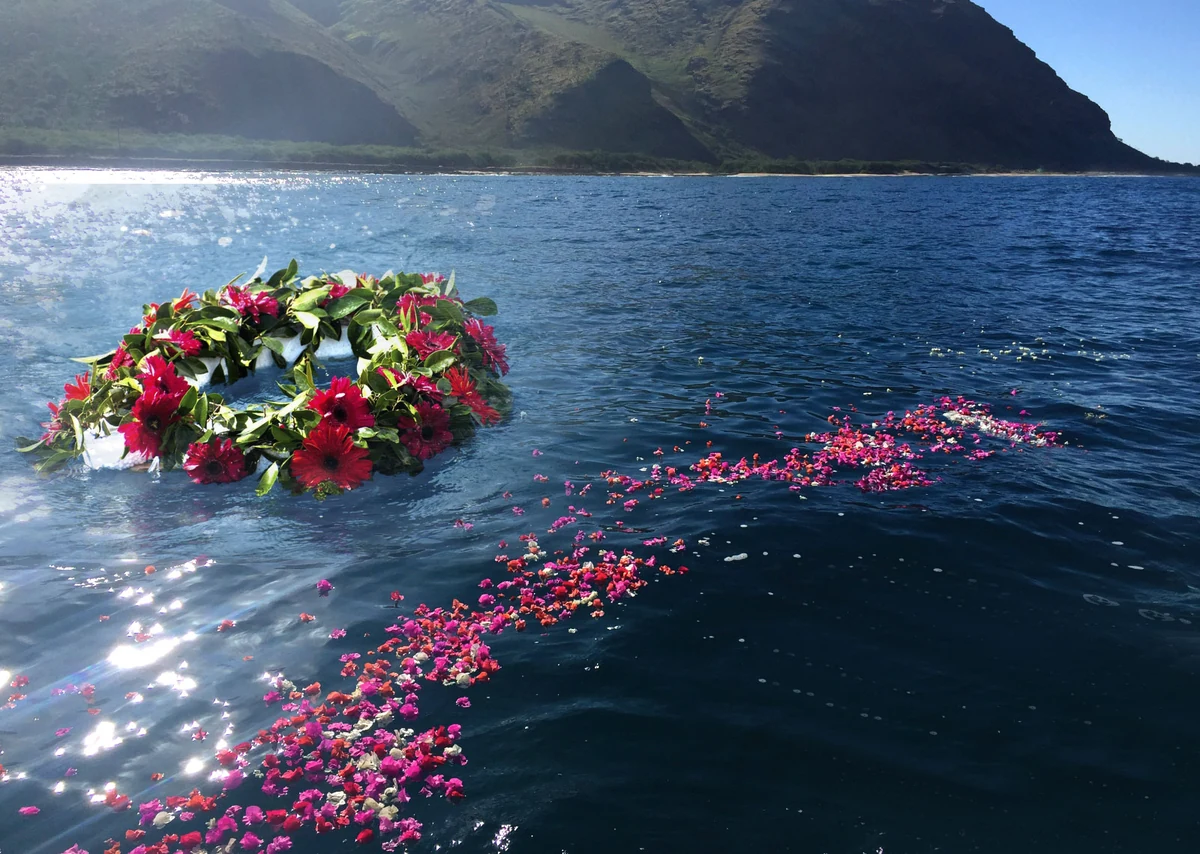
Scattering at sea is one of the most popular choices. You can pour the ashes from an urn off the side of a boat, or use a biodegradable urn shaped like a flower or seashell. These float on the surface, then slowly dissolve and sink, releasing the ashes as they go.
A more dramatic option is a replica Viking ship that is set alight and floats out to sea as it burns, scattering the ashes as it sinks. Memorial coral reefs are another route: the ashes are set into a reef structure that is placed on the seabed by a professional diver, becoming a new habitat for marine life.
On private property
Many families scatter ashes on land they own, perhaps a garden, a lakeside plot, or a field of wildflowers. It can bring real comfort to feel a loved one is still close by. Scattering on private property is almost always fine, as long as you have the landowner's permission.
On public property
A national park, a favorite fishing spot, a mountain peak, a sports field, or a beloved golf course can all make a fitting resting place. These are deeply personal choices that reflect how someone lived.
Because these sites are public, you may need to check in advance whether scattering is allowed there. A little research saves any awkwardness on the day.
Aerial scattering
Releasing ashes from the air has grown steadily in popularity, especially for pilots or anyone who wanted their ashes spread across a wide area. Spreading cremains from a plane can blow them back into the cabin, so specialist pilots use a fitted apparatus that showers the ashes cleanly over the chosen spot. Aerial scattering has to be done by a licensed pilot.
For the more adventurous, ashes can be released during a skydive, either by a family member free-falling alongside a professional or by the diver doing it on their behalf.
Drone scattering
Drones are an increasingly popular way to release ashes. Friends and family watch safely from the ground while the drone does the spreading, which also avoids any wind blowing the ashes back toward mourners. In most cases the operator can capture photos or video of the moment as well.
Scattering gardens
Many crematoriums and cemeteries set aside a dedicated scattering garden, a serene space designed specifically for this purpose. Families often hold a short memorial service there. Facilities vary, but some offer markers such as plaques, plants, or statues to record that a loved one rests in that spot.
How to scatter ashes: the main methods
Often a person will name the place they want their ashes scattered without specifying how, and the location itself tends to determine the method. Beyond the location-specific approaches above, here are the main techniques families use.
Green burial
A meaningful option for anyone who cared about the environment. The cremains are often buried in a biodegradable urn that breaks down naturally in the soil. Some families add a plant, or choose an urn containing a seed that grows into a tree, turning the burial site into something living.
Casting
This is the image most people picture: releasing the ashes into the air by hand or from a scattering urn. It is usually done by one person, though it is common for each mourner to take a turn casting a handful as part of the ceremony.
Trenching
Trenching means digging a shallow trench in soil or sand, in a straight line or any shape you like, pouring in the ashes, and then raking the earth or sand back over them. Mourners can gather around the trench, and doing it by candlelight, or near the water's edge so the tide gradually carries the remains away, can make it especially moving.
Ringing
Ringing is the act of scattering ashes in a circle around an object, often a tree, a memorial, or a treasured belonging. Mourners can step inside the circle one at a time to say a few words or read something special, shaping the moment around the person being remembered.
Is it legal to scatter ashes?
In most cases, yes. Some situations call for permission and a little paperwork, and the rules depend on both the method and the location. State and local laws differ, so it is worth checking the regulations for the city and state where the scattering will take place.
Realistically, there are no patrols watching for people scattering ashes. Common sense and your own judgment will usually be your best guide, but if legality is a concern for you, a few of the specifics below are worth knowing.
National parks
Many national parks allow scattering as long as you arrange permission in advance, and individual parks set their own conditions. The National Park Service is the best source of information for the park you have in mind.
At sea
Federal rules apply when scattering takes place over water. These typically require the scattering to happen a certain distance from shore, and any urn placed in the water to be biodegradable. On inland waterways you can sometimes scatter with a permit obtained in advance. It is worth doing this homework well ahead of the day if legality is a concern.
Catholics and scattering ashes
While Catholics can be cremated, the Church confirmed in 2016 that scattering is not permitted. Instead, the remains should be interred in a sacred place such as a cemetery. If your loved one was Catholic, this is worth taking into account. If you are weighing the religious questions more broadly, our guide on what the Bible says about cremation may help.
Scattering urns
Many families simply scatter from the container they received from the funeral home or crematory. But purpose-made scattering urns can make the process much easier and come in a wide range of shapes and sizes.
As covered above, some urns are shaped like a flower or seashell and float before dissolving on the water; Viking vessels burn as they drift toward the horizon; and others are planted in the ground to grow into a tree. More practical designs include pouring lips and sliding lids that help you scatter cleanly and prevent spills. You can compare options in our cremation urns and biodegradable urns guides.
Practical advice before you scatter
There is plenty of advice about scattering ashes, but a few practical realities often go unmentioned. They can be a little surprising, so they are best known in advance.
What cremains actually look like
Cremated remains are ground to a gritty, sand-like texture, but they also contain visible pieces of bone, which many people are not warned about. They are heavier than expected too, typically weighing around four to six pounds for an adult. Our guide on what cremains are explains this further.
Take your time to decide
It is common to rush into scattering all of the ashes at once, in a single place. Once they are scattered you cannot get them back, so it is wise to keep a portion in case you find another meaningful spot later, or another family member asks to share some. If you are not completely sure, our guide on what to do with ashes can help you think it through.
Transporting ashes
If you need to fly with the cremains or send them elsewhere, always pack them in carry-on luggage. Checked bags get lost, sometimes permanently, and that is not a risk worth taking with a loved one's ashes. Our guide to transporting ashes covers the details.
Mind the wind and capture the moment
Always check the wind direction and never scatter against it. Cremains can be sticky; scattering into the wind will blow them back onto your skin and clothes. It is also worth taking photos or video, since some people who cared about the person may not be able to attend, and it often helps to place a small marker afterward to record the spot.
Planning a scattering ceremony
One of the quiet advantages of cremation is time. You are not bound to a quick timeline, so you can plan a farewell that truly reflects the person. For more inspiration, see our cremation ceremony guide.
Prayers and songs
Prayers and songs have their place, but the most memorable ceremonies go beyond what is simply expected. Choose readings, music, and words that belong specifically to this person and prompt everyone to reflect on how they lived.
Personal touches
Bring along objects that mattered to them: a bowling ball, a favorite recipe baked fresh, baskets of vegetables or flowers from their garden for guests to take home. Some families place a small amount of ashes, sealed in plastic, into a tiny decorative box or a square of fabric tied with a bow, to give to immediate family and closest friends. If the person was a keen scuba diver, an underwater ceremony with fellow divers is another option. A favorite photo, and any recorded message in their own voice, make powerful keepsakes too.
A celebration, not only a goodbye
It is a time of sadness, but also a chance to celebrate a life. Invite someone close to share fond memories, kind deeds, or funny stories. A New Orleans-style funeral parade, full of music and dancing, is one example of marking a life with joy rather than only grief.
What will you choose?
Whichever place, method, and ceremony you settle on, the goal is the same: a farewell that feels true to the person you loved. Take your time, keep a portion back if you are unsure, and choose what helps you remember them best. If you are still planning the cremation itself, our guides to direct cremation and cremation costs are good next steps.
FAQ
Scattering ashes: places, methods, the law and the ceremony: common questions
- Is it legal to scatter ashes?
- In most places, yes. Rules vary by state, locality, and method. Scattering on private land is fine with the owner's permission, national parks usually require advance permission, and scattering over water is subject to federal rules. Check the regulations for the specific site you have in mind.
- What are the rules for scattering ashes at sea?
- Federal rules apply when scattering takes place over water. They typically require you to scatter a certain distance from shore, and any urn placed in the water must be biodegradable. On inland waterways you can sometimes scatter with a permit obtained in advance, so it is worth checking the specifics before the day.
- Can Catholics scatter ashes?
- No. While the Catholic Church permits cremation, it confirmed in 2016 that scattering is not allowed. The remains should instead be interred in a sacred place such as a cemetery.
- What do cremated ashes actually look like?
- Cremains have a gritty, sand-like texture and usually include visible fragments of bone. They are also heavier than most people expect, typically four to six pounds for an adult.
- Should I scatter all of the ashes at once?
- It is often wise not to. Once ashes are scattered you cannot retrieve them, so many families keep a portion back in case they find another meaningful place later or another relative wishes to share some.
- Can I fly with ashes to scatter them elsewhere?
- Yes, but always pack the cremains in your carry-on luggage rather than a checked bag, which can be lost. Our transporting ashes guide covers the details.

About the author
Adam Binstock
Founder of Cremation Institute
Keep reading
Related guides
Planning a cremation?
See what a direct cremation should cost where you live, and compare trusted providers before you pay for extras you may not need.
Direct cremation costs →