Guides
Interment of ashes: where to bury, the ceremony, and costs
Interment of ashes is the practice of burying cremated remains in a permanent place. For many families and faith traditions, giving a loved one a fixed resting place brings a sense of closure that scattering or keeping ashes at home cannot. This guide walks you through the main decisions: where you can bury, the urn or vault you'll need, what a ceremony usually looks like, the alternatives if burial isn't right for you, and roughly what it all costs.
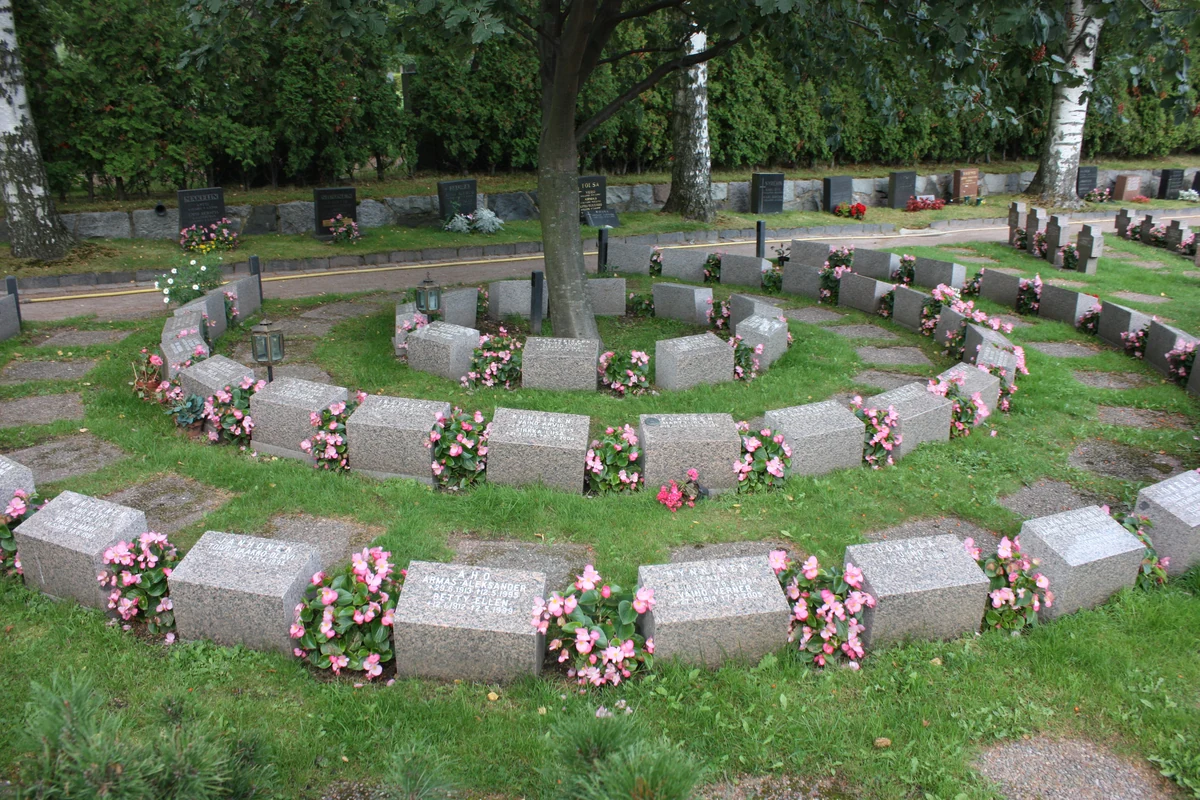
Where you can bury the ashes
Once you decide to bury ashes, the first choice is location. There is no single correct answer; the right place is usually the one that feels meaningful and fits your budget and any religious wishes. Below are the most common options families choose.
In a cemetery
The cemetery is the most common place families and friends choose to bury a loved one's ashes. Plots for cremated remains take up far less space than a full burial plot, so they are often more affordable.
Most cemeteries allow more than one person to share a single plot, sometimes as many as four, which can keep a family together in one place.
Choosing a monument
The memorial you choose will be shaped by your taste, your faith, and the section of the cemetery you've selected.
If you've already purchased a plot, it's a good idea to speak with the cemetery administration before ordering anything. They can tell you exactly what kind of marker or monument is permitted in that section.
In an urn garden
Urn gardens are dedicated, often beautifully landscaped areas set aside for cremated remains. The cemetery or memorial site usually dedicates a specific area to the garden, and the urn may be placed below or above ground depending on its design.
These spaces tend to feel more peaceful and gardenlike than a traditional grave row, which appeals to many families.
Within a landscape feature
Many sites let you inter ashes within a landscape element such as a fountain, a large ornamental rock, or a memorial bench. The option depends on your budget and the site's offerings.
As with the other choices, you can add a small marker to indicate exactly where your loved one rests.
On private property
Some families prefer a personal burial that keeps the ashes close, on their own land. You generally do not need a funeral director to arrange this, though you can still hold a ceremony at the graveside.
Most families place a lasting tribute, such as a marker or small monument, over the spot. Rules vary by state and locality, so confirm what's allowed before you bury.
Choosing an urn for burial
An urn that's going underground has to stand up to pressure, moisture, and the elements over time. If you're burying without an outer container, choose a sturdy, durable material such as metal, granite, or marble.
If protecting the environment matters more to you, a biodegradable urn is the opposite approach: it's designed to break down naturally in the ground. We cover both routes below.
For a wider look at materials, shapes, and sizing, see our guide to cremation urns.
Protective burial vaults
If you're worried about damage or weathering, placing the urn inside a burial vault solves the problem. A vault is an outer container that shields the urn after it's buried.
It's worth knowing that many cemeteries require a vault, so check the rules before you buy. A funeral director or crematory can arrange one, but you can often save money by purchasing directly from a supplier.
- ✓Protects the urn from the pressure of soil and grounds equipment
- ✓Prevents rusting and erosion over time
- ✓Keeps the urn in pristine condition
- ✓Vault designs exist for both single urns and double (two-urn) burials
Biodegradable urns
If you want a greener option, biodegradable urns are made from safe, organic materials that return to the earth naturally. Many are handmade from paper and leaves.
Once buried, the urn slowly breaks down along with the ashes, leaving nothing behind. The same urns are popular for water burials too. Our biodegradable urns guide compares the main styles, and our scattering ashes at sea guide covers the water option.
Catholics and the interment of ashes
The Catholic Church maintained a strict ban on cremation until the 1960s. Before then, the Church held that a deceased Catholic could only be buried in a Catholic cemetery following a funeral in the church. It's worth noting that the Bible itself does not forbid cremation.
How attitudes changed
As cremation's practical advantages became clear and more Catholics chose it, the Church softened its position and now permits cremation. You can read more in our guide on whether Catholics can be cremated.
The Church still asks that ashes be buried or interred, and it does not permit scattering. It also asks that ashes not be kept on display at home, such as on a mantel.
Interment ceremonies
Holding a ceremony is a personal choice and usually not a requirement. If you'd prefer no service at all, our guide to direct cremation explains that route. If you do want to gather, here's what an interment ceremony typically involves.
A traditional ceremony
A traditional interment gathers friends and family at the plot, with a religious leader or celebrant saying a few words about the person who has died.
Prayers, poems, and songs can all be part of it. For many mourners, this is what makes grief feel shared and gives a sense of closure.
How long it lasts
Interment ceremonies are usually brief, often under 45 minutes. Within that, the content is entirely up to the family or the wishes of the person who died.
A two-part service
Many services have two parts: a viewing and the ceremony itself. The viewing, when an open casket is used, lets mourners pay respects and is usually open to everyone.
The ceremony follows, after which the urn or cremation casket is taken to the interment location. There is often a second, more private gathering at the graveside.
A private ceremony
Some families prefer to keep the gathering private, with only relatives and invited guests. Anyone the family chooses can officiate.
Eulogies can be given by friends and family, or the time can simply be spent sharing happy memories. If the person was religious, a faith leader can lead the service.
In a columbarium niche
A columbarium is a room, often in a cemetery or church, or a freestanding wall, containing small individual spaces called niches. The urn, sometimes with small keepsakes, is placed inside.
A marker identifying the person is fixed to the outside of the niche. See our cremation niches guide for more on how columbaria work.
Alternatives to burying the remains
If burial isn't the right fit, you'll need to decide what to do with the ashes instead. The possibilities are wide; here are a few of the most popular. Our what to do with ashes guide can help you narrow things down.
Scattering the ashes
A popular choice is to scatter ashes somewhere meaningful, such as a beach, the mountains, the woods, or from a boat. Our scattering ashes guide covers the how and where.
Keeping the ashes with you
For some people, burial simply isn't the answer because they'd rather keep the ashes close. There's a huge range of urns, from simple to highly personal, made for keeping at home.
Sharing the ashes
Many people are surprised by how much volume and weight cremated remains have, which means there's plenty to share among family and friends who'd like a portion. If relatives live far away, our guide on transporting ashes explains how to send them safely.
Turning ashes into art
Ashes can be incorporated into glass to create orbs, jewelry, stained glass, and other keepsakes. Our cremation art guide shows what's possible.
Cremation diamonds
A small amount of ashes can be turned into a diamond using a process that mimics how the earth forms natural stones. They're costly but striking, and can be set into most jewelry. See our cremation diamonds guide for details.
Water cremation
Cremation doesn't have to involve fire. Water cremation, also called bio or green cremation, is an environmentally gentler alternative that some families prefer. Our water cremation guide explains how it works.
Prayers and poems for an interment
If you're arranging or leading the service yourself, you may want to include a prayer or reading. Below are a couple of traditional options to draw from or adapt.
A religious reading
"Heavenly Father, we thank you for all those whom we love but see no longer. As we remember (name) in this place, hold before us our beginning and our ending, the dust from which we come and the death to which we move, with a firm hope in your eternal love and purposes for us, in Jesus Christ our Lord. Amen."
A non-religious poem
"Miss me but let me go. When I come to the end of the road, and the sun has set for me, I want no rites in a gloom-filled room, why cry for a soul set free? Miss me a little, but not too long, and not with your head bowed low. Remember the love that we once shared, miss me, but let me go."
The cost of interment
Like cremation costs generally, the price of interment depends on the choices you make. The biggest factors are the cemetery, the plot, and the marker or monument options you select.
If you want a full casket, funeral service, visitation, and embalming, costs rise accordingly. If you're simply burying an urn, the urn and plot are usually bought in advance, and because cremated remains take up less space than a full burial, the plot generally costs less. You may also be able to share a plot where a family member is already buried.
Prices vary widely by location, so contact the cemetery directly for exact figures. For a fuller picture of what cremation itself costs, see our cremation costs guide.
Planning your own interment ahead of time spares your family some of the decisions and stress they'd otherwise face. And if you're the one making arrangements now, we hope this guide makes a hard time a little easier.
FAQ
Interment of ashes: where to bury, the ceremony, and costs: common questions
- What does interment of ashes mean?
- Interment of ashes is the burial of cremated remains in a permanent place, such as a cemetery plot, an urn garden, a columbarium niche, or private property. It gives the family a fixed location to visit and is preferred by many faith traditions and cultures.
- Do I need a burial vault for an urn?
- Not always, but many cemeteries require one. A vault is an outer container that protects the urn from soil pressure, moisture, and grounds equipment. Check your cemetery's rules before you buy, and note that you can often save money by purchasing a vault directly from a supplier rather than through a funeral home.
- Can Catholics inter cremated ashes?
- Yes. The Catholic Church lifted its ban on cremation in the 1960s and now permits it, provided the ashes are buried or interred. The Church does not allow scattering ashes or keeping them on display at home, such as on a mantel.
- How long does an interment ceremony last?
- Interment ceremonies are usually brief, often under 45 minutes. The content is up to the family and can include prayers, poems, songs, and eulogies, or it can be kept very simple.
- Is interment cheaper than a full burial?
- Often, yes. Cremated remains take up far less space than a full body, so plots for ashes tend to cost less, and you may be able to share a plot with a family member already buried there. The exact cost depends on the cemetery, plot, and marker you choose, so contact the cemetery for precise pricing.
- What can I do with ashes instead of burying them?
- Alternatives include scattering, keeping the ashes at home in an urn, sharing portions among family, turning ashes into glass art or a cremation diamond, or choosing water cremation. Our what-to-do-with-ashes guide can help you weigh the options.

About the author
Adam Binstock
Founder of Cremation Institute
Keep reading
Related guides
Planning a cremation?
See what a direct cremation should cost where you live, and compare trusted providers before you pay for extras you may not need.
Direct cremation costs →