Faith & tradition
Hindu cremation and funeral traditions: beliefs, rituals and etiquette
Hinduism is the third largest religion in the world, yet its funeral customs are often unfamiliar to those outside the faith. This guide walks through what Hindus believe about death and the rituals carried out before, during and after it. It explains how cremation is handled, how a ceremony in India differs from one in the United States, and what to expect and how to behave if you are invited to attend.
Hindu beliefs about death
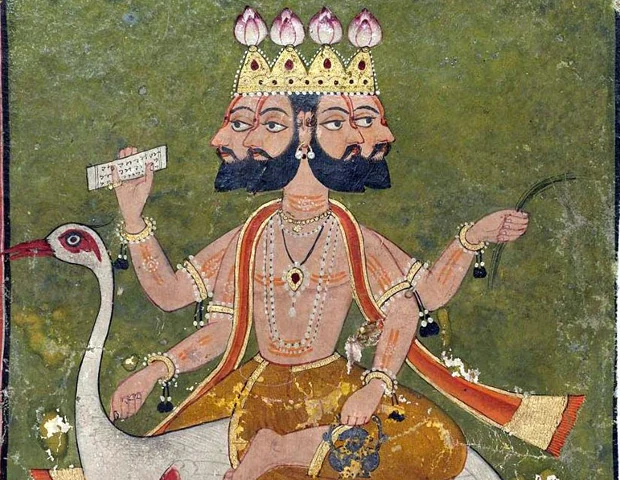
Hindus believe in reincarnation, so death is understood as the end of the body rather than the end of the person. The soul lives on and is reborn in a new form, and this cycle continues until the soul finally finds its true nature and reunites with Brahma, the one God.
Brahma takes many forms, and the thousands of gods and goddesses of Hinduism each contain a part of him. Many Hindus choose one or more of these gods to serve and worship. The process can take many lifetimes, so with each death the goal is to move a little closer to Brahma. When the body dies, the soul is said to depart through the top of the head before regrouping and returning in a new form, which may be human, animal, insect or even plant.
Karma shapes which form the soul takes next. Hindus believe that suffering helps cancel out past wrongdoing, and they pursue this through practices such as fasting, confession and intense prayer. A shaved head, often seen among devout Hindus, is one way of making a personal sacrifice toward better karma.
Hindu death rituals
The Hindu journey through death has many stages. It often begins before the moment of death and continues for a long period afterward. Most rites are carried out by the family, with a priest leading certain parts.
Close to death
If death is clearly near, a Hindu should ideally die at home surrounded by loved ones rather than in a hospital. If they are hospitalized and death is imminent, the family tries to bring them home. The dying person is usually laid on the floor on a grass mat, positioned at the home's entrance or in their room with the head pointing east, and a light is placed near the head.
A priest is called, and the family gathers around. A small amount of water, from the Ganges River if possible, is placed in the dying person's mouth. Loved ones sing hymns, recite prayers and chant the person's mantra, a word or syllable repeated to bring clear, positive thoughts. The dying person concentrates on their mantra, drawing their energy to the top of the head, and thinks of Brahma and of their family so the soul can leave the body in its highest state.
At death
If water could not be given before death, it is offered immediately after. The body is treated as impure, so the family is careful to touch it no more than necessary. If the person was unconscious when they died, their mantra is spoken softly into their right ear.
The body is laid with the head toward the south and incense is burned. In some sects a cloth is tied under the chin and over the top of the head, the big toes are tied together and the thumbs are bound. Religious pictures may be turned to face the wall and mirrors are sometimes covered. Practices vary from one sect to another.
Preparing for cremation
The cremation should ideally take place before the next dusk or dawn, whichever comes first. In most traditions the chief mourner, usually the eldest son when the father has died and the youngest son when the mother has died, passes an oil lamp over the body, removes the clothing and wraps the body in a white cloth.
Sesame oil is then applied, the body is bathed with water, redressed and placed in a coffin. Younger children may circle the body with small lit sticks while singing hymns. The women place rice in the mouth of the deceased as nourishment for the journey ahead. If the deceased is a man, his wife places the wedding pendant around his neck before the coffin is closed. The body is then carried out feet first to the cremation site.
The Hindu cremation ceremony
Hindu funeral rites vary widely, so the ceremony described here is one common version among many. When a cremation takes place in India, it is usually performed near the Ganges River. The casket is sometimes driven to the site but is often carried by foot. In most sects only men attend the cremation itself. Rice is placed in the mouth of the deceased again, this time by the men, and coins are sometimes laid over the eyes.
The pyre
The cremation site is typically a pyre built of wood and straw with a platform on top. The body is carried around the pyre three times in a counter-clockwise direction and then laid on the platform, with the casket cover removed if one is used.
The chief mourner circles the pyre three more times carrying a clay pot of water on his left shoulder and a burning torch held behind his back. With each circuit, someone knocks a hole in the pot so the water pours out, signifying that life is leaving the body. After the third circle, without facing the body, the chief mourner lights the pyre.
The Ganges River
Cremations along the Ganges are central to Hindu tradition, but they have come at an environmental cost. The river is described as the most polluted in the world, due in large part to the thousands of cremations performed on its banks, sometimes as many as 200 in a single day, along with bodies and cremated remains placed in the water.
Hindu funerals in the United States
In the United States, cremation must be carried out in a crematorium, so the ceremony is adapted, though it is not as different as you might expect. Most crematoriums allow the rituals to be performed before the cremation. The body is carried in feet first and positioned toward the south where possible, and the circling of the body is usually still done.
Rather than the chief mourner lighting a pyre, the body is placed into the cremation chamber. Some facilities allow the family to add ghee and sacred wood to the coffin, and a number even permit a fire to be lit in the coffin before the cremation begins. If the person was in a hospital and could not be brought home, the same near-death rites are performed at the bedside.
Families planning a service in the US often want to understand the practical side as well. Our overview of the cremation process explains what happens at the crematory, and our guide to cremation costs can help you compare options.
Some families choose a simple, low-cost arrangement that still leaves room for these traditions to be carried out beforehand. A direct cremation can be a respectful and affordable choice when the religious rites are held separately.
Funeral etiquette for guests
If you are attending a Hindu funeral, it is natural to be unsure of what to wear, how to act and what to bring. A few simple guidelines will help you take part respectfully.
What to wear
Hindu funeral attire is quite different from many Western services. Black is not appropriate. White is significant in Hindu culture and is the best color to wear. The attire is casual but respectable. Women should keep hemlines and necklines modest and cover their arms; open-toe shoes are fine and no head covering is required. Men should wear a white shirt.
Funeral flowers
Do not bring flowers to a Hindu funeral. Flowers play an important role in the ceremony, but not as a gift from guests. Everything leading up to the cremation is the family's last chance to help the soul move on, and flowers brought by others are seen as a distraction that could harm the soul of the deceased.
Prayers and mantras
As a Hindu is dying, the family helps them reach the highest possible state of consciousness by reciting mantras and prayers while focusing on the top of the deceased's head. Many use a mala, a string of beads that helps keep the mind centered on the prayers.
Burial customs and practices
Although cremation is the most common choice, burial is more widespread among Hindus than many people realize and is the preferred method in some locations and sects. Cremation is usually meant to purify the body before its passage to the next life, but saints, infants and young children are considered already pure and are typically buried instead.
In India, burial is more common in the south and in rural areas. Hindu cemeteries can look surprising to visitors, as graves with markers are often painted in vivid colors. To ease overcrowding, some graves are left unmarked so the same plot can be reused for another burial later.
Rituals after death
A Hindu death unfolds over a long stretch of time. While excessive mourning is discouraged, an extended series of rituals and ceremonies follows the cremation.
The mourning period
The mourning period begins after the cremation and usually lasts 13 days, opening with a phase of ritual impurity. Everyone returns home, bathes and cleans the house. A water pot and lamp are set where the body had lain, and the water is changed daily. The family stays home for a period that varies by sect, sometimes as long as a year but usually much less, and does not cook for at least a day after the cremation, so relatives bring prepared food.
Excessive grief is avoided and a happy atmosphere is encouraged. Hindus believe the soul of the departed remains aware of the emotions of the living, and that heavy mourning can hold the soul back in its transition. In some sects it is even considered dishonorable to cry over the dead. A memorial meal of the deceased's favorite food is held on the third, fifth, seventh or ninth day, with a plate placed before their photo and then taken outside to a vacant spot. On the 31st day, the home is cleaned and a service is held that essentially recreates the original funeral ceremony.
What to do with the ashes
The day after the cremation, the men of the family gather the cremated remains and scatter them in the Ganges River where possible. Families living abroad may send the cremains to India to be scattered there, or a relative may travel to India to carry out the rite in person.
When neither option is workable, many Hindu families in the US scatter the remains in a local river or other body of water. There may be guidelines to follow, so check with local authorities first to make sure any scattering is done legally. Our guide to scattering ashes covers the general steps, and transporting ashes explains how to move cremains if you are sending them overseas.
The one-year anniversary
A year after the death, Shraddha rites are performed. These are believed to give the departed ancestor momentum to reincarnate and advance to a higher form. The rite is then repeated every year for as long as any of the deceased's sons are still living.
FAQ
Hindu cremation and funeral traditions: beliefs, rituals and etiquette: common questions
- Do Hindus prefer cremation or burial?
- Cremation is the most common choice and is seen as a way of purifying the body before its passage to the next life. Burial is more widespread than many realize, though, and is the preferred method in some locations and sects. Saints, infants and young children are considered already pure and are usually buried rather than cremated.
- What should I wear to a Hindu funeral?
- Wear white, which is significant in Hindu culture, and avoid black. The attire is casual but respectable: women should keep hemlines and necklines modest and cover their arms, while men should wear a white shirt. Open-toe shoes are fine and no head covering is needed.
- Should I bring flowers to a Hindu funeral?
- No. Flowers play an important role in the ceremony itself but are not brought as gifts by guests. The time before the cremation is the family's last chance to help the soul move on, and flowers from others are viewed as a distraction that could harm the soul of the deceased.
- How soon does a Hindu cremation take place?
- Ideally the cremation happens before the next dusk or dawn, whichever comes first. This quick timeline is part of why much of the preparation and ritual is done by the family at home rather than over several days.
- What happens to the ashes after a Hindu cremation?
- Traditionally the men of the family scatter the cremated remains in the Ganges River the day after the cremation. Families abroad may send the ashes to India, travel there to scatter them, or scatter them in a local river or body of water. Check local rules first to make sure any scattering is legal.
- How long is the Hindu mourning period?
- The mourning period begins after the cremation and usually lasts 13 days, with a phase of ritual impurity and daily observances at home. A memorial meal is held between the third and ninth day, and a service that recreates the original ceremony often takes place on the 31st day. Shraddha rites follow each year on the anniversary of the death.

About the author
Adam Binstock
Founder of Cremation Institute
Keep reading
Related guides
Planning a cremation?
See what a direct cremation should cost where you live, and compare trusted providers before you pay for extras you may not need.
Direct cremation costs →