Faith & tradition
Jehovah's Witness cremation: beliefs, funerals & etiquette
Jehovah's Witnesses do permit cremation. In their understanding, when Christ was resurrected it was his spirit that lived on, not his physical body, so what happens to the body after death carries no spiritual penalty and God will not need our bodies for resurrection. The choice between burial and cremation is left to the deceased and their family. This guide walks through what Witnesses believe about death, what their scriptures say about cremation, and what to expect if you are attending one of their funerals.
Who Jehovah's Witnesses are
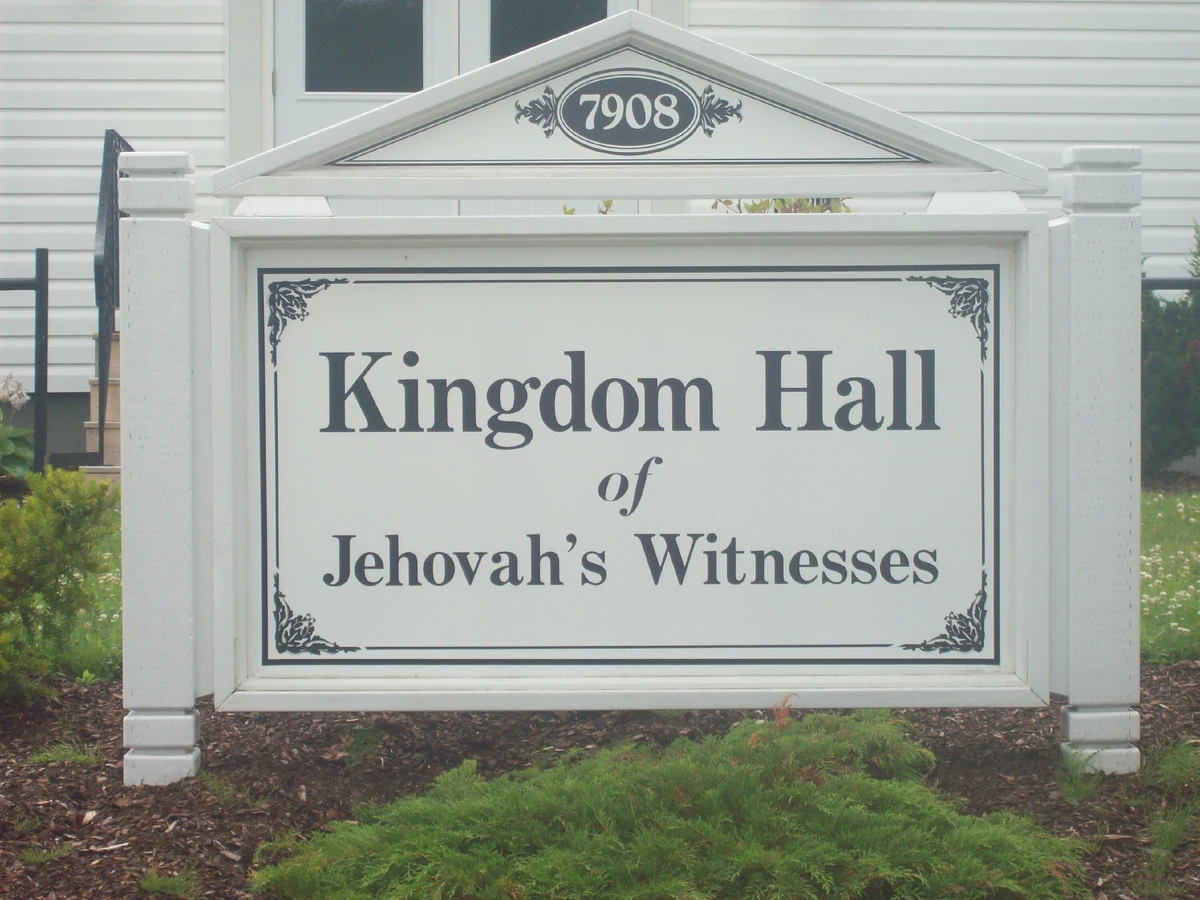
Jehovah's Witnesses are followers of the Watchtower Bible and Tract Society, a movement that dates back to 1879. Many of their beliefs and practices fall outside mainstream Christianity. Some are sometimes accused of belonging to a cult, and that label can feed misconceptions, including the wrong assumption that they oppose cremation.
They teach that, before Adam and Eve's error in judgement, humans were originally created to live forever. A central hope in their faith is that a future day will come when death no longer exists, giving people the chance to live an unflawed life again.
They do not accept the doctrine of the Father, the Son, and the Holy Spirit as three persons. For Witnesses there is one God, whom they call Jehovah.
What Jehovah's Witnesses believe about death
Witness beliefs about death differ sharply from many other faiths, and understanding them explains their relaxed stance on cremation.
What happens when you die
Death is compared to a deep sleep, a state of nothingness in which a person is aware of nothing. There is no immortal soul or spirit that survives the body; the soul is understood to die along with it. Because of this, death is not something to be feared. Witnesses believe the dead simply wait in this state until Armageddon, when they will be resurrected.
The end of the world and the 144,000
Witnesses teach that the end of the world is coming, and that theirs is the only true religion, so they will be the ones to receive salvation when life on earth ends. They believe in a heavenly hope reserved for 144,000 chosen people, who will take their place at God's side and rule as priests and kings.
The rest are not left without hope. At Armageddon most are expected to be resurrected and to live forever in a paradise on a restored earth, where they will learn the correct way of worshipping God.
Heaven and hell
Witnesses believe in a paradise on earth rather than the conventional picture of heaven for most believers. They reject the traditional idea of hell as eternal fiery torment. Those who have no intention of living by God's rules are not seen as suffering forever; instead, they remain in the nothingness of death rather than being resurrected.
Customs and practices
Witnesses do not celebrate religious holidays they regard as having pagan roots, including Christmas and Easter. They also view birthdays, Mother's Day and Father's Day as the excessive glorification of a person and decline to observe them.
They take a neutral position on politics, do not serve in the armed forces, and do not salute the flag or observe national holidays such as Independence Day, Memorial Day or Veterans Day. They decline blood transfusions, teaching that blood is sacred and represents life. Congregations are funded through voluntary charitable contributions rather than a passed collection plate. If a member leaves the church, others are generally discouraged from associating with them.
Do Jehovah's Witnesses allow cremation?
Yes. Witnesses point to the account in Daniel 3:16-18, where three Hebrew men were condemned to a furnace by King Nebuchadnezzar for refusing to worship golden idols. They told the king they did not fear the flames because God could still resurrect them.
Because Witnesses believe it was the spirit of Jesus that was resurrected and not his physical body, they conclude that what happens to our bodies makes no difference. The body does not travel with us to any afterlife, so cremation poses no obstacle to resurrection.
If you are weighing cremation for a loved one, it can help to understand the practical side as well. Our guide to the cremation process explains how it works and what it usually involves.
Cremation and the Bible
Nowhere does the Bible state that God forbids cremation, and it gives no specific instruction about what should be done with the body after death. On this point Witnesses agree with most other faiths: it is a matter to be handled according to the wishes of the deceased or their family. In biblical times burial was the usual practice, yet there are several references to bodies being burned, which is worth reading carefully before drawing conclusions. Our companion article on what the Bible says about cremation explores these passages in more depth.
Cremation as punishment
At first glance, some of the people whose bodies were burned in scripture appear to have had less than honorable reputations, which is why cremation is sometimes wrongly assumed to be shameful. Joshua 7:15, for example, describes a transgressor being burned with fire for breaking the covenant of the Lord. Accounts of this kind have fed the mistaken belief that Witnesses must oppose cremation.
Cremation for the respected
Other passages describe burning the bodies of people who were favored in God's eyes. When the Philistines hung the bodies of King Saul and his sons on a wall at Beth-shean, the people of Israel recovered and burned them to spare them further disrespect (1 Samuel 31). The key point is that the Bible nowhere makes cremation a punishment for sin, nor does it make burial the only acceptable choice. Like many faiths, Witnesses treat it as a personal family decision.
The Jehovah's Witness funeral service
A Jehovah's Witness funeral usually takes place in a funeral home or a Kingdom Hall, the Witnesses' place of worship. There are no rules requiring an open or closed casket, and the choice between burial and cremation is left to the family. Excessive mourning is not customary, because believers look forward to the hope of resurrection.
Less emphasis on the deceased
The person who has died is mentioned only briefly. Many attendees compare the service to a Bible study: the elder spends most of the time speaking about death, resurrection and how the congregation should live. Because Witnesses share their faith actively, you may even be urged to learn more about it while at the funeral. Audio recordings are usually permitted, but video recordings are not.
Order of service
The funeral is normally held within a week of the death and is brief, often lasting only 15 to 30 minutes. The elder may say a few words about the person's life, particularly if they set a strong example for others, offer a couple of prayers, and read any messages the deceased wished to share with loved ones. The burial or cremation follows, usually with prayers or scripture readings. Flowers are allowed in moderation, and food is often served at some point during the process. There is no fixed script, so these elements may occur in any order.
Funeral attire
Men are expected to wear a suit and tie, and women a modest dress or skirt. There is no requirement to cover the head. The guiding idea is to dress in a way that does not draw undue attention. If you are not a Witness you are welcome to attend, and you are not expected to change how you dress, though dressing modestly is the safest approach.
Funeral songs
Music is not typical at a Witness funeral, but it is not prohibited. When it is included it is usually something the deceased requested, such as a Kingdom song used in Witness worship.
Etiquette for attending a Jehovah's Witness funeral
The prospect of attending a Witness funeral can feel intimidating if you have never been to one, but it should not put you off paying your respects. What matters is your wish to honor the person who has died. In practice the service is less different from one at your own place of worship than you might expect. A few points make the experience more comfortable:
- ✓You will be welcome. Some people assume guests of other faiths are not, but that is not the case; the congregation welcomes outside visitors.
- ✓Expect a shorter, more subdued service. There will be little excessive crying and little said about the deceased, as members are discouraged from heavy mourning.
- ✓Don't worry about your clothing differing from theirs. You are not expected to change your attire; simply dress respectfully.
- ✓If you want to send flowers or a plant, send them directly to the family before or after the service rather than arrangements meant to be displayed at the funeral, such as casket covers or stands.
- ✓Avoid flowers arranged as a symbol, including a cross. Witnesses worship only God and regard such images as idols, and they believe Jesus died on a stake, not a cross.
A respectful goodbye
Jehovah's Witnesses hold some distinctive beliefs about death, resurrection and the afterlife, but their approach to cremation is straightforward: it is permitted and treated as a personal family choice. If you are attending a service, knowing these customs in advance will help you avoid anything that might seem disrespectful.
And if you do slip up, Witnesses tend to be understanding and forgiving, and will almost certainly overlook a small mistake made in good faith. Whatever your own beliefs, the shared act of honoring someone who has died is what matters most.
FAQ
Jehovah's Witness cremation: beliefs, funerals & etiquette: common questions
- Do Jehovah's Witnesses allow cremation?
- Yes. Jehovah's Witnesses permit cremation and treat it as a personal decision for the family. They believe resurrection is a matter of God restoring the person, not the physical body, so what happens to the body after death does not affect it.
- Does the Bible forbid cremation for Jehovah's Witnesses?
- No. Witnesses note that the Bible nowhere prohibits cremation and gives no instruction on what to do with the body after death. While burial was the common practice in biblical times, scripture also describes bodies being burned, including those of respected figures such as King Saul and his sons.
- Where is a Jehovah's Witness funeral held?
- Services usually take place at a funeral home or a Kingdom Hall, the Witnesses' place of worship. They are typically short, often 15 to 30 minutes, and held within about a week of the death.
- What should I wear to a Jehovah's Witness funeral?
- Dress modestly and respectfully. Men typically wear a suit and tie, and women a modest dress or skirt. There is no requirement to cover your head, and guests of other faiths are not expected to change how they dress.
- Can I send flowers to a Jehovah's Witness funeral?
- Flowers and plants are acceptable in moderation, but send them directly to the family rather than as displays for the service. Avoid arrangements shaped as symbols such as a cross, which Witnesses regard as an idol.
- Are non-members welcome at a Jehovah's Witness funeral?
- Yes. The congregation welcomes people of other faiths. The service may feel more like a Bible study than a typical funeral, with the focus on death and resurrection rather than the individual who died.

About the author
Adam Binstock
Founder of Cremation Institute
Keep reading
Related guides
Planning a cremation?
See what a direct cremation should cost where you live, and compare trusted providers before you pay for extras you may not need.
Direct cremation costs →